op-ed
The 10-Day Promise Every Health System Should Make
Bryce McGee,
Chief Growth Officer, DexCare
·
5 min read

Your report

The UH access snapshot
How a patient finds and books care at UH today.

Waiting is suffering.
Cliff Megerian, CEO, University Hospitals
With those three words, Cliff Megerian, CEO of University Hospitals in Cleveland, won his clinicians over to a goal most health systems won’t put in writing: getting a high share of first visits inside 10 days. He called it an ethical mandate in a conversation with Chief Healthcare Executive. I agree. A patient whose back pain makes it hard to get through a workday, or whose heartburn now keeps him up at night, shouldn’t spend another month waiting for a first visit.
A month-long wait time is standard for many people seeking care. New patients in 15 large U.S. metro areas wait an average of 31 days for a non-emergency physician appointment, up from 26 days in 2022.
31 days
Average wait for a new-patient, non-emergency appointment across 15 large U.S. metros, up from 26 in 2022.
Those waits often coexist with open appointments in the same health system. The opening might be at a clinic a few miles away, or on a nurse practitioner’s schedule down the hall, yet the patient—and sometimes, even the health system—doesn’t see the available slot.
UH has backed its promise with operational work. It filled physician templates so there are, in Megerian’s words, “no empty holes.” Nurse practitioners and physician assistants are working more effectively. Routine secondary care has moved out to community hospitals, freeing the main campus for transplants and neurosurgery. Visit volumes rose and the system posted its first positive operating margin in years in 2025.
Those results are driven by people. Clinical leaders refuse to accept four-week waits, and schedulers find and fill the appointments that can’t be booked online.
No team, however committed, can track every open appointment across 21 hospitals and more than 200 physician offices at once.
That is where a 10-day goal gets hard to sustain.
The problem is common to nearly every large health system. Over the past decade, many have moved every hospital onto a single electronic health record (EHR) and added online scheduling, virtual visits and urgent care. Patients have more ways to get care than ever, but they have to figure out on their own which path to take. A patient who searches for a doctor online might land on a profile, but whether it’s the right provider, specialty or fastest path to care is up to the patient to find out—often via a phone call.
Two changes would connect patients to open appointments more quickly. The first is extending online booking across more of the system, so more patients can go from finding the right clinician to booking a visit without picking up the phone. The second is seeing capacity across the whole system rather than one schedule at a time, so demand can move to the soonest available, appropriate clinician, location and setting.
Both depend on accurate information about every provider: who they see, for what, where and when. That information is hard to keep current in any health system, and harder after years of merging legacy systems into one. The same clinician data and scheduling rules also decide whether the current wave of AI tools will fulfill their promise. Many health systems want AI agents that can talk to patients and book their visits, but an agent working from bad data can send patients to the wrong place. Ask one whether new knee pain belongs with primary care or orthopedics, and the answer depends on scheduling rules most systems have never written down.
Piedmont Healthcare in Georgia has already put this into practice. Patients who search for care get matched to the right option, with minor issues sent to virtual visits, and they book along one path from search to appointment. Piedmont cut wait times by five days and quadrupled its virtual visits.
Piedmont Healthcare
After matching patients to the right care and booking them along one path.
5 days
shorter wait times
4x
virtual visits
Every health system should do what UH did and set a public goal for how quickly new patients get a first appointment. Meeting that goal takes scheduling tools that work on top of the EHR, know every clinician’s specialty, location and availability, and can book each new patient into the soonest appointment that fits.
Waiting is suffering, as Megerian says.
Better data can help shorten the wait.


Bryce McGee
Chief Commercial Officer, DexCare
More reading for UH
Dive deeper.

The 10-Day Promise Every Health System Should Make
Bryce McGee on how UH can meet its access goals.

How UH Can Extend Urgent Care Access to Specialty Care
See how to cut wait times and lift bookings.

We Tested Patient Access at University Hospitals. Here’s What We Found.
UH has an opportunity to make the access experience even better.

How UH Can Win Patient Searches in Google and AI
How to be the answer in Google and AI.

Is UH’s Scheduling Logic Keeping Up With Its 10-Day Goal?
One governed layer of provider data and scheduling rules across every channel could close the gap.

After Epic consolidation, UH’s next payback is on access.
What the EHR can’t do.

How to Reduce Patient Wait Times: Operational Strategies for UH
Shorter waits start with scheduling logic, not staffing.
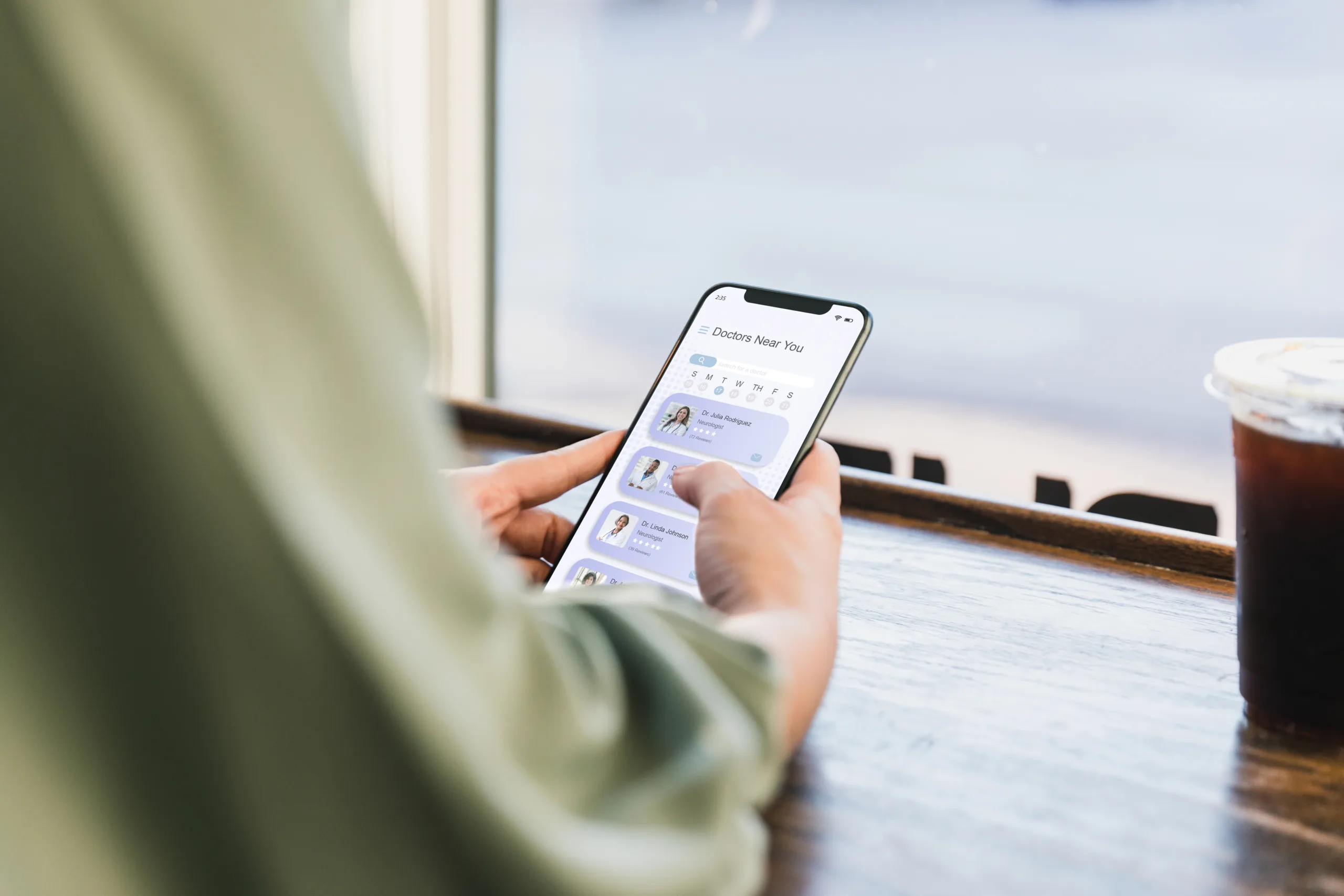
Your search bar isn’t getting patients booked. Here’s how to fix it.
Turn a symptom search into a booked visit.

Your PDM Was Built for 2010. Your Problems Are From 2026.
Keep every doctor’s page as current as the doctor.
Ready to talk?
See your UH demo site.
Built with your own providers and locations. No setup on your end.