

Waiting is suffering.
We agree.
UH set a goal of first visits within 10 days and is making strides. But type “knee pain” into your site and you get articles, not an appointment, and some specialties are still booked months out. The next step is a front door that guides patients to the right care at the soonest available time.
The UH access snapshot
We tested how a patient finds and books care at UH.
What stood out
- Patients rarely find UH first. In 48 Google searches across Northeast Ohio, UH came up first once.
- Booking is hard work. Symptom searches return articles, not appointments. Eight screens of questions come before any open time.
- Availability is uneven. Primary care books in a day. Dermatology is over four months out. Nothing steers patients to a faster option.



Putting a number on patient access takes conviction. UH set a public goal of a first visit within 10 days and is doing the work to get there.
Hit it, and a patient finds the right doctor, sees the open time, and books it without a fight.
In a city where patients have a choice, that’s how UH becomes the system they choose. It’s worth building.
Bryce McGee
CGO, DexCare
The Fix
UH’s front door, rebuilt with your own providers and locations.
You control where patients go. A search for “cough” can offer a virtual visit or urgent care today, ahead of a primary care slot next week. You set which option leads.
- Patients search in their own words. “My knee hurts when I run” gets them to the right care.
- Every page shows open times. Book from provider, location, and condition pages.
- Google and AI answers can find it. Provider pages built so search engines read them.
Request your UH demo site
Built with your own providers and locations. No setup on your end.
Reports for uh
Faster access starts here.

SEARCH VISIBILITY
Get found by patients close to home
How health systems win Google, ChatGPT answers, and the local searches that turn into booked visits.

Provider data
Faster visits start with better provider data
Why legacy provider directories have hit their ceiling, and how a governed data layer gets patients to the right clinician the first time.

Access snapshot
The path to 10-day access at University Hospitals
Where UH already beats its 10-day goal, where patients still get stuck, and five moves to close the gap.
About DexCare
Is it time to introduce ourselves?
We started inside Providence, a 51-hospital system that needed patients to find the right care and book it faster. What we built there now runs access for health systems like Kaiser Permanente, MUSC, Piedmont, and Tampa General, reaching 57 million patients. Our customers book 40% more appointments with the resources they already have.
Trusted by leading health systems








A series on the people changing patient access.
‘Rebel with a Cause’
How Douwe Bergsma drives change at Piedmont Healthcare, a DexCare customer.
We feature a few health system leaders each year. Tell us about your work →

Reading for UH
Ready to dive deeper?
The 10-Day Promise Every Health System Should Make
Bryce McGee on how UH can meet its access goals.

How UH Can Extend Urgent Care Access to Specialty Care
See how to cut wait times and lift bookings.
We Tested Patient Access at University Hospitals. Here’s What We Found.
UH has an opportunity to make the access experience even better.

How UH Can Win Patient Searches in Google and AI
How to be the answer in Google and AI.

Is UH’s Scheduling Logic Keeping Up With Its 10-Day Goal?
One governed layer of provider data and scheduling rules across every channel could close the gap.
After Epic consolidation, UH’s next payback is on access.
What the EHR can’t do.

How to Reduce Patient Wait Times: Operational Strategies for UH
Shorter waits start with scheduling logic, not staffing.
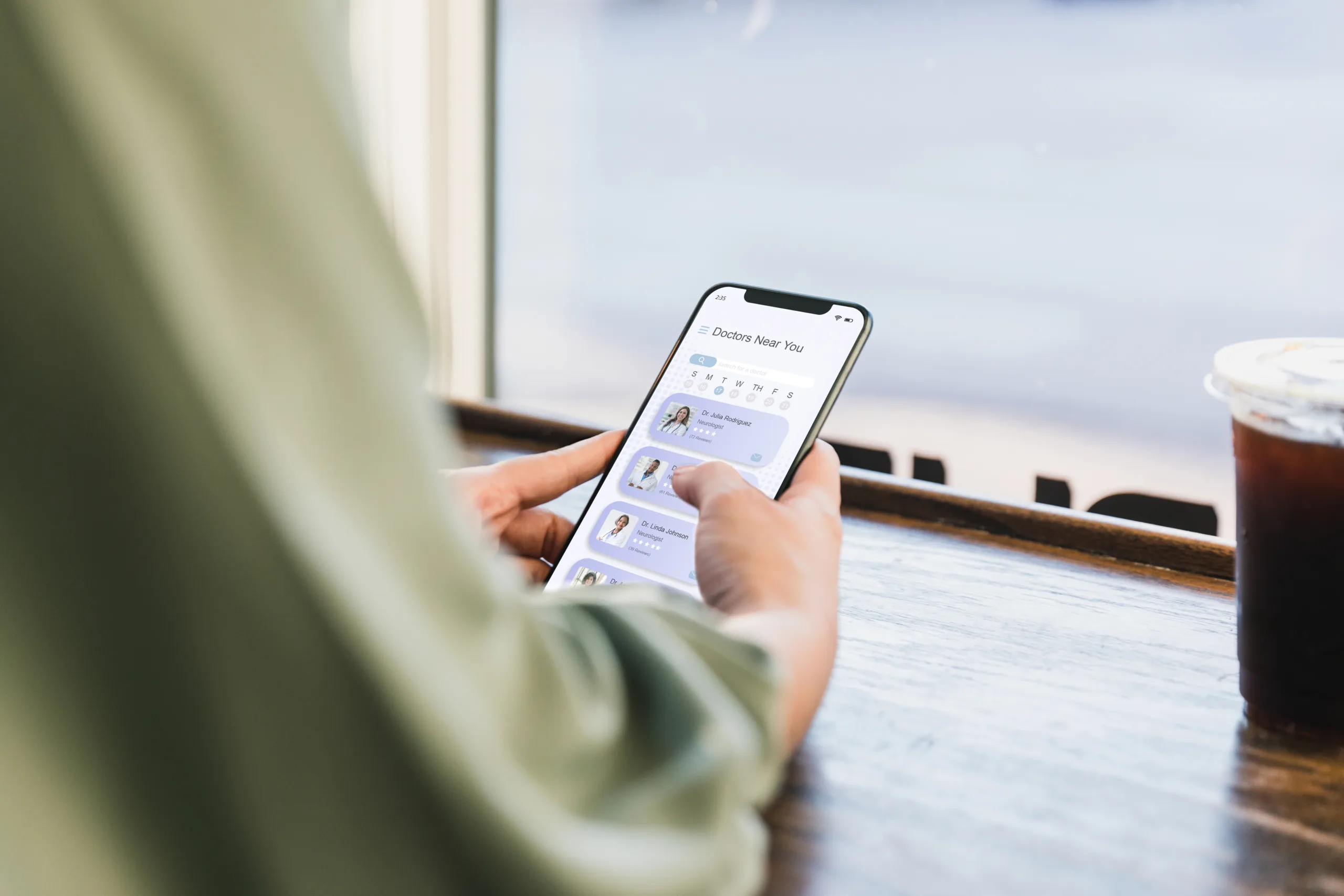
Your search bar isn’t getting patients booked. Here’s how to fix it.
Turn a symptom search into a booked visit.

Your PDM Was Built for 2010. Your Problems Are From 2026.
Keep every doctor’s page as current as the doctor.
Ready to talk?
See your UH demo site.
Built with your own providers and locations. No setup on your end.

Search has fractured. Here’s how to win it.
Patients now get answers from Google’s search summaries and ChatGPT, often without ever clicking through to your site. This playbook covers the three signals that decide who shows up: authority, local relevance, and a website search engines can read. It also covers the page-level fixes behind SSM Health’s jump from 20% to 80% online booking completion.

Your provider directory has hit its ceiling. Here’s what comes next.
1 in 3 patients find outdated information in provider directories. The rules that decide who gets booked often live in a scheduler’s head. This playbook shows where legacy provider data tools fall short and what bad data costs in lost patients and wasted provider hours. It also shows how one Florida health system codified 260+ scheduling policies in a week.
We tested UH’s front door. Here’s what we found.
DexCare ran the same Google searches, site searches, and booking flows that UH patients use every day. This report shows where new patients land, how often a symptom search on UH’s site leads to an appointment, which specialties are booked months out, and five moves to turn more of that demand into visits.